
The Power of the Tee: How Wearing T-Shirts Sparks Social Change and Fuels Activism. Can wearing a simple T-Shirt make a difference?
People are flocking to the Anti Social Media Movement in record numbers in an effort to maintain their individuality and ultimately their very humanity. People are also rejecting the notion of letting Social Media fry their brains (remember the old "this is your brain on drugs" campaign) to the point they can be used by negative-media profiteers and politico. All of this spells change for certain but how can more be done? How can the goals of greatly reducing the numbers of Social Media addicts be accomplished? What is one person to do about any of this? The answer may simply be to "rock the t-shirt".
The humble T-shirt, once relegated to mere casual wear, has emerged as a powerful tool for social change and activism. In recent years, individuals and organizations alike have harnessed the potential of this everyday garment to convey powerful messages, ignite conversations, and drive movements. The evolution of the T-shirt from a simple piece of clothing to a symbol of resistance and advocacy is a testament to its ability to transcend fashion and become a vehicle for social transformation.
Historical Roots:
The roots of using T-shirts for activism can be traced back to the 1960s and 1970s when slogans and graphics found their way onto shirts as a form of self-expression and protest. The tie-dye shirts of the hippie movement and the iconic images of Che Guevara on T-shirts became symbols of counterculture and political dissent. This laid the groundwork for the T-shirt's evolution into a medium for conveying social and political messages.
Expressive Medium:
The simplicity and versatility of T-shirts make them an ideal canvas for self-expression. Activists and artists have embraced the medium to communicate powerful messages succinctly. Slogans, quotes, and visually striking designs printed on T-shirts serve as a way for individuals to express their beliefs, raise awareness about pressing issues, and engage with others in meaningful conversations. This democratization of expression has given a voice to those who may not have access to traditional platforms.
Iconic Campaigns:
Over the years, T-shirts have become synonymous with iconic campaigns and movements. The AIDS awareness red ribbon, the "I ♥ NY" slogan, and the peace symbol are just a few examples of how T-shirts have been used to symbolize and promote causes. More recently, the Anti Social Media Movement and environmental activist have utilized T-shirts to create a visual identity and foster a sense of unity among supporters.
Fundraising and Philanthropy:
The T-shirt has also proven to be a potent tool for fundraising. Nonprofits and charitable organizations often use custom-designed T-shirts to generate funds for their causes. By creating visually appealing and meaningful shirts, these organizations not only raise money but also create a sense of community among those who wear them. The act of purchasing and wearing a shirt becomes a tangible way for individuals to contribute to a cause and show their support.
The Amplification of Anti Social Media Sentiment:
The unwelcome rise of negative social media has further amplified the need for using the impact of T-shirts to try and drive social change. When individuals wear shirts with powerful messages like "The Anti Social Media Movement", they become walking advocates, and the reach of the message extends far beyond ones immediate surroundings. Everyday activities like going outside allow individuals to share those T-shirt messages, creating a ripple effect that can lead to widespread awareness and mobilization. Everyone remembers the smiling yellow face, the peace symbol and the giant, they are now simply part of the human story and they became part of it by appearing on t-shirts.
Conclusion:
From its origins as a basic piece of clothing, the T-shirt has evolved into a powerful instrument for social change and activism. Its simplicity, accessibility, and versatility have allowed it to become a canvas for self-expression, a symbol of solidarity, and a tool for fundraising. As we continue to navigate an increasingly complex world, the T-shirt stands as a reminder that even the most ordinary items can become catalysts for extraordinary change. So, the next time you slip on a T-shirt with a meaningful message, remember that you are not just getting dressed; you are participating in a legacy of activism and contributing to a larger narrative of social transformation.
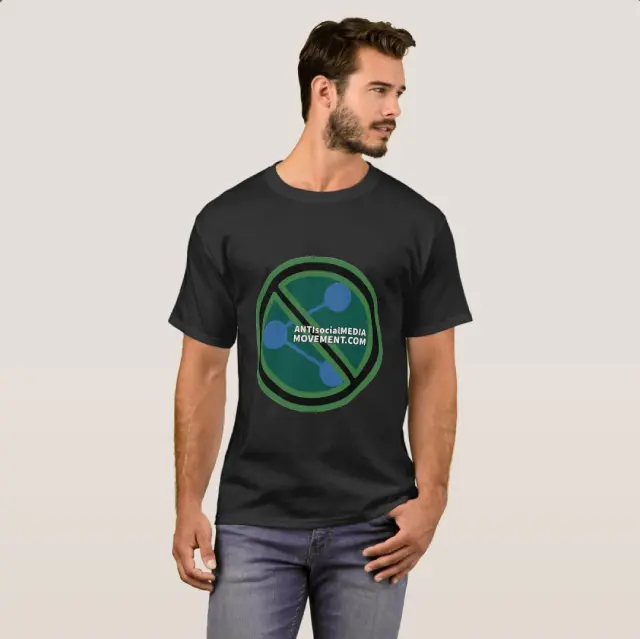
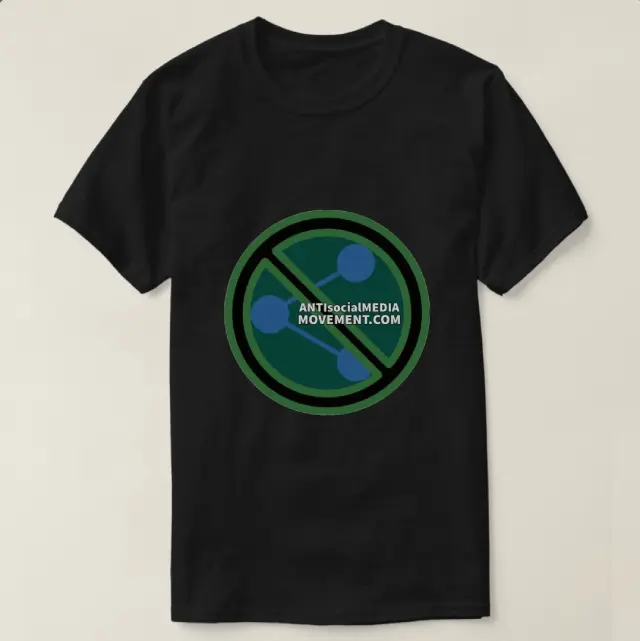
Support POSITIVE change and help to end Social Media Addiction by wearing an Anti Social Media T-Shirt!
In Stock:
10000
ID:
ASMMTshirt
$18.20
Anti Social Media T-Shirt
The TechXperiment has failed. Let's get back to normal life. This is not a club as that would be oxymoronic, this is a movement towards ending a destructive addiction. Show your support and rock the T-Shirt. Wear the only authentic Anti Social Media Movement t-shirt available anywhere at any price. NOT SHARING is actually caring.
